
Hiring the right candidate is more challenging than ever in today’s fast-paced talent market. Relying solely on resumes can lead to missed opportunities and unconscious bias, as resumes often reflect only a fraction of a candidate’s true capabilities. To make smarter hiring decisions, recruiters need to evaluate candidates holistically—looking beyond what’s written on paper to understand the full spectrum of their skills, potential, and fit for your organization.
The Limitations of Relying Solely on Resumes
Resumes are often the first filter in candidate evaluation, but they provide a limited snapshot. They can highlight education and work history, but rarely capture soft skills, cultural fit, or growth potential. Candidates with unconventional backgrounds or non-linear career paths may be overlooked, and unconscious bias can creep in based on details like names, schools, or employment gaps.
Why Holistic Candidate Evaluation Matters
A holistic hiring approach considers the whole person, not just their credentials. This method helps organizations reduce bias, foster diversity, and identify candidates who are likely to thrive in their roles. By evaluating skills, experience, values, and growth potential, recruiters can make more informed and equitable hiring decisions.

Key Components of Holistic Evaluation
- Skills: Both technical and soft skills relevant to the role.
- Experience: Work history, project outcomes, and learning agility.
- Cultural Fit: Alignment with company values and team dynamics.
- Potential: Ability to learn, adapt, and grow into new challenges.
- Values: Personal and professional values that drive behavior and decision-making.
Incorporating Multiple Assessment Methods
To evaluate candidates holistically, combine several candidate evaluation methods. Structured interviews ensure fairness and consistency, while work samples and job simulations offer insight into real-world skills. Behavioral interviews explore past actions and decision-making. Reference checks validate experience, and AI-powered interview screening can help identify potential and reduce bias at scale.
| Method | What It Assesses | Strengths | Limitations |
|---|---|---|---|
| Resume Screening | Education, work history | Quick overview | Misses soft skills, potential, and fit |
| Structured Interviews | Skills, competencies, values | Consistent, reduces bias | Requires preparation |
| Work Samples | Practical skills, problem-solving | Realistic, job-relevant | Time-intensive |
| Behavioral Interviews | Past behavior, soft skills | Reveals values and adaptability | Subject to recall bias |
| AI-Powered Screening | Patterns, potential, red flags | Scalable, data-driven | Dependent on data quality |
Practical Steps to Implement Holistic Evaluation
- Define the competencies and values crucial for the role and your organization.
- Develop structured interview questions and scorecards for objective assessment.
- Incorporate work samples or job simulations relevant to day-to-day tasks.
- Leverage AI-powered tools for initial screening and unbiased shortlisting.
- Conduct reference checks to validate experience and cultural fit.
- Review all evidence collectively before making a final decision.
How Technology Like Hirero Streamlines Holistic Assessment
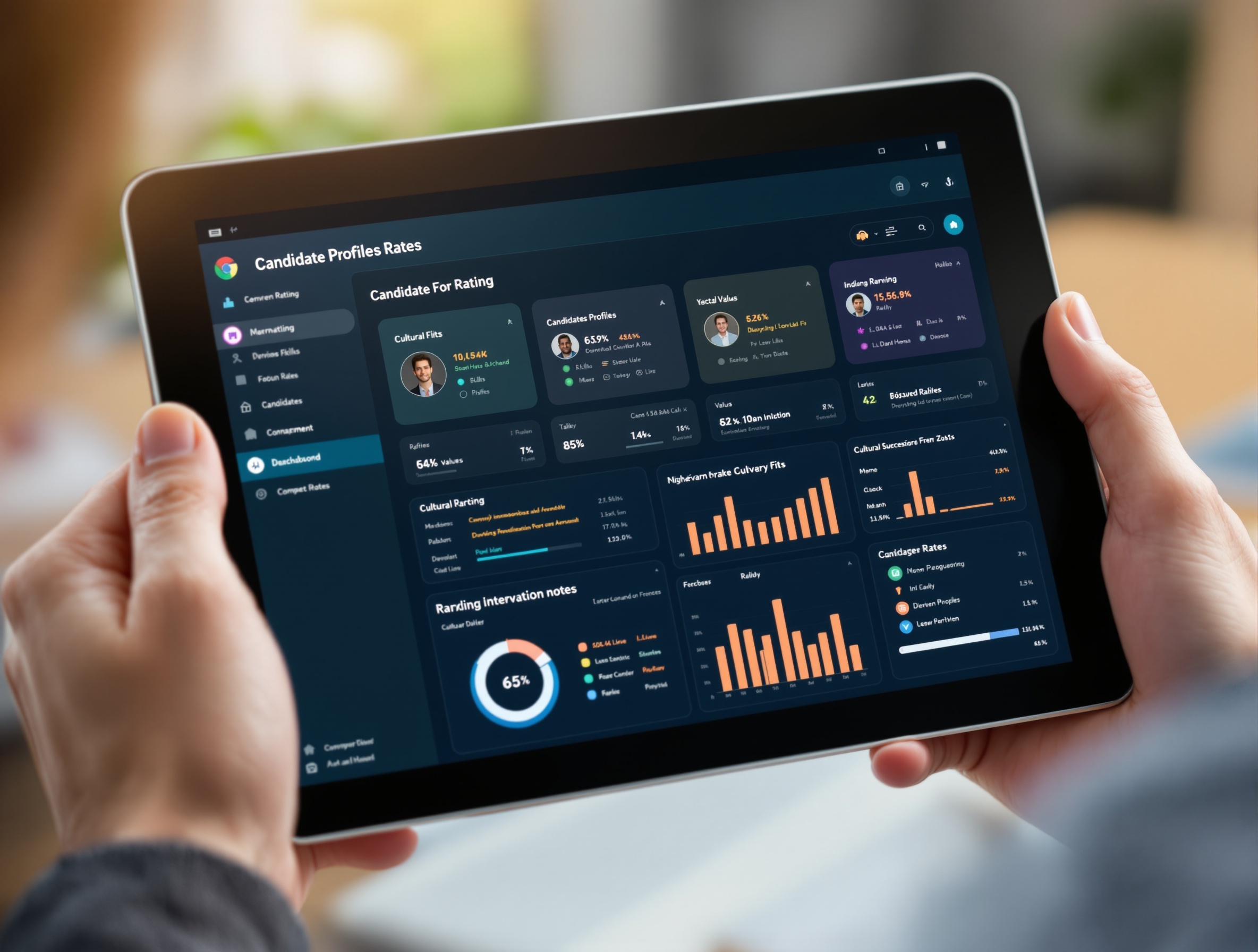
Platforms like Hirero empower recruiters and SMB teams to evaluate candidates holistically by automating resume screening, generating structured interview guides, and providing evidence-backed scorecards. With AI-powered interview screening, recruiters can efficiently shortlist candidates, reduce bias, and focus on deeper assessment methods that lead to better hires.
Case Examples: Success Stories from Holistic Evaluation
A technology startup revamped its hiring process by integrating structured interviews, work samples, and AI-powered screening. As a result, they saw a 30% improvement in new hire retention and greater team diversity. Another SMB used holistic scorecards to assess both technical and cultural fit, leading to higher employee satisfaction and reduced turnover.
Best Practices and Tips for Recruiters
- Use a mix of assessment methods to capture a full picture of each candidate.
- Train interviewers on bias reduction and objective scoring.
- Standardize evaluation criteria with structured scorecards.
- Regularly review and iterate your hiring process for continuous improvement.
- Leverage technology to automate repetitive tasks and focus on high-value assessments.
Conclusion: Embracing a Comprehensive Approach for Smarter Hiring
Evaluating candidates holistically is essential for making better, fairer, and more strategic hiring decisions. By combining multiple assessment strategies and leveraging technology, recruiters can uncover hidden talent, reduce bias, and build stronger teams. Platforms like Hirero make it easier than ever to implement a holistic hiring approach that benefits both organizations and candidates.
Frequently Asked Questions
What does it mean to evaluate candidates holistically?
Evaluating candidates holistically means assessing them across multiple dimensions, such as skills, experience, values, cultural fit, and potential, rather than relying solely on their resumes or academic qualifications.
How can I assess candidates beyond their resumes?
You can assess candidates beyond resumes by using structured interviews, work samples, behavioral assessments, reference checks, and AI-driven tools to get a comprehensive view of their suitability.
What are the benefits of holistic hiring?
Holistic hiring leads to better quality hires, reduced bias, improved team fit, and a more diverse workforce by considering a broader range of candidate attributes and experiences.
Which candidate assessment methods are most effective?
Effective candidate assessment methods include structured interviews, work samples, behavioral interviews, AI-powered screening, and reference checks. Combining these methods provides a more complete evaluation.
How can technology support holistic candidate evaluation?
Technology platforms like Hirero streamline holistic evaluation by automating resume screening, generating interview guides, supporting structured interviews, and providing evidence-backed scorecards.
What role do structured interviews play in holistic hiring?
Structured interviews help ensure fairness and consistency in candidate evaluation, allowing you to compare candidates objectively and reduce unconscious bias.
Ready to Transform Your Hiring Process?
Discover how Hirero can help your team evaluate candidates holistically, reduce bias, and make smarter hiring decisions. Get started with evidence-backed interview guides and AI-powered screening today.